
Insurance & Claims
Does Renters Insurance Cover Water Damage? Tenant vs. Landlord Responsibilities
What renters insurance pays for after a leak, what the landlord's policy covers, and the flood gap most tenants miss.
Once the water is out and the structure is dry, the repairs begin. DryBeacon crews replace what the water ruined and put rooms back the way they were.
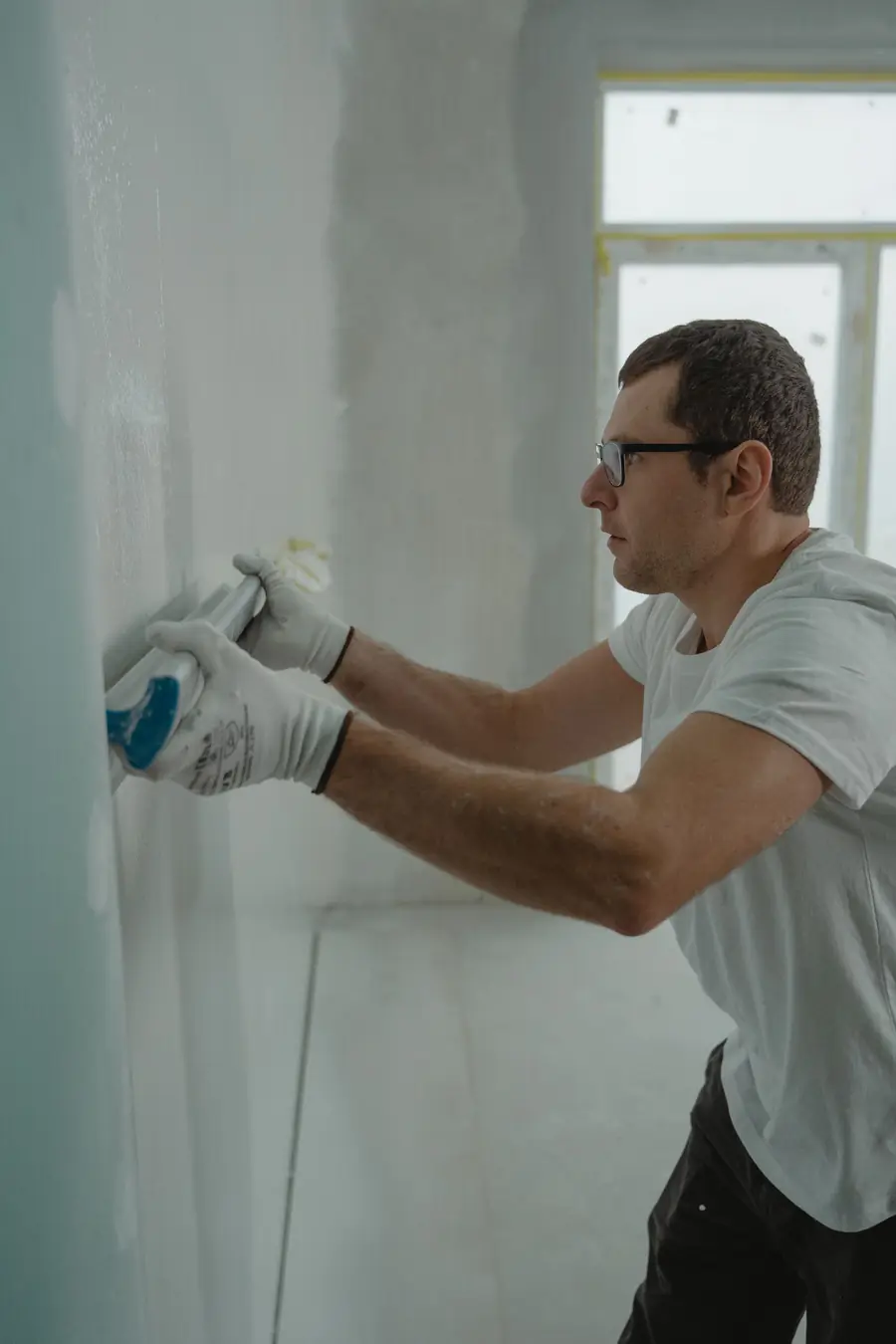
Quick answer: Water damage repair is the rebuild that follows drying: replacing wet drywall, insulation, flooring, baseboards, cabinets and paint. It should start only after moisture readings show the structure is dry, because closing up wet walls traps water and can lead to mold. The EPA notes that if you fix a mold problem but not the moisture, the mold comes back.
| Material | What happens when wet | Usual repair |
|---|---|---|
| Drywall | Wicks water upward, softens, sags and can grow mold on the paper facing | Cut out above the wet line and replace |
| Batt insulation | Holds water, compresses and stays wet inside the wall | Remove and replace |
| Hardwood floors | Cups or crowns as boards swell; can buckle off the subfloor | Specialty drying, then sand and refinish or replace boards |
| Laminate | Particleboard core swells at the seams and does not recover | Replace |
| Carpet pad | Soaks up water like a sponge | Replace; carpet may be dried if water was clean |
| Particleboard cabinets | Bottoms and toe kicks swell and crumble | Replace damaged boxes or panels |
| Plaster walls | Holds water a long time and may loosen from lath | Long drying, then patch or replace |
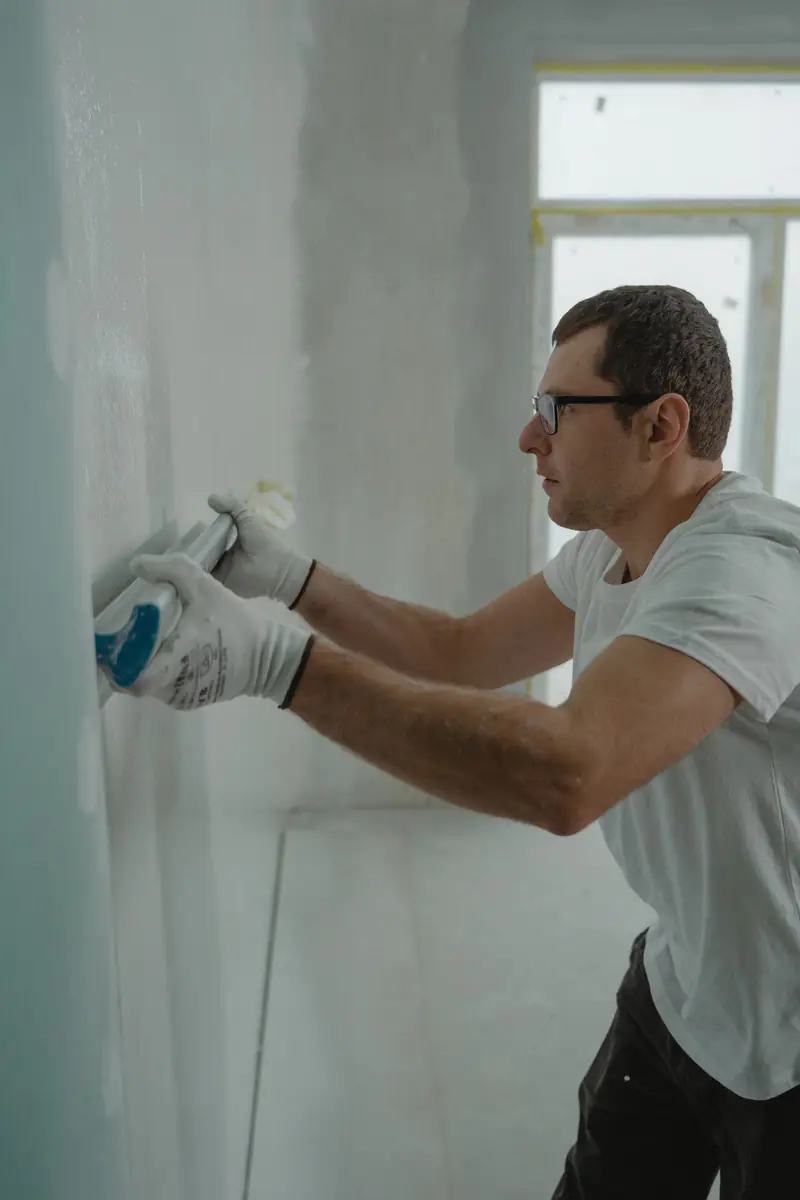
It is tempting to patch a stain and paint over it. But water usually travels further than the stain shows, into wall cavities, under flooring and along framing. Sealing that moisture in with new drywall or flooring gives mold a dark, damp place to grow. The EPA's mold guidance is clear that moisture has to be controlled first. A proper water mitigation and structural drying job, finished and documented, protects the repair.
Always get a written estimate and compare it with the scope from your insurance adjuster.
A small drywall patch after a clean-water leak, once the area is confirmed dry, is a reasonable DIY job. Hire a contractor when the damage covers more than a few square feet, involves ceilings, flooring or cabinets, needs electrical or plumbing work, or is part of an insurance claim where the work must match the scope. Make sure any contractor holds the license your state and city require.
When the water damage itself is covered, the policy usually pays to repair the resulting damage, minus your deductible. The cause of the leak, such as a worn-out water heater, may not be covered. Keep every estimate, invoice and photo, and get the adjuster's scope in writing before work starts. This is general information; your policy decides what is covered.
Local note: Repairs often run into old materials. Over 70% of homes in New York were built before 1980, and Pennsylvania rowhomes have stone basements. In California and Nevada, slab leaks mean opening floors to fix pipes before rebuilding.
Drywall wet briefly with clean water and dried fast can sometimes stay, after a crew confirms it is dry and solid. Drywall that sagged, crumbled, grew mold or touched sewage or floodwater should be cut out and replaced, usually at least a foot above the water line.
The drying crew compares moisture readings in the wet area with a dry area of the same material. Repairs should start only when readings match. Closing walls too early traps moisture and can lead to mold.
Often, if they are dried quickly with specialty floor-drying equipment. Boards may cup at first and flatten as they dry. Boards that stay cupped, buckle or turn black usually need replacing, and refinishing may be needed once the floor is dry.
Small repairs such as a drywall patch and paint can take a day or two after drying. Replacing flooring, cabinets or several rooms of drywall can take a week or more, depending on materials and permits.
It depends on your city and the scope. Replacing drywall and flooring often needs no permit, while electrical, plumbing or structural work usually does. Ask the contractor and check with your local building department.
Air movers and dehumidifiers dry walls, floors and framing, checked with moisture meters.
Stains, sagging drywall and leaks from roofs, bathrooms and AC lines.
Containment, HEPA filtration and removal of moldy materials after a leak.
Insurance & Claims
What renters insurance pays for after a leak, what the landlord's policy covers, and the flood gap most tenants miss.
Restoration Basics
The factors that decide what water damage restoration costs, how estimates are built, and how insurance fits in.

Insurance & Claims
What a standard home policy covers, the big exclusions like flood and slow leaks, and how to file a water damage claim.
Last reviewed November 18, 2026 by DryBeacon Editorial. General information, not legal, insurance or professional advice. Read our editorial policy.
Water where it shouldn't be?
Call DryBeacon 24/7 to get water damage help started.
Call 1-800-555-0199